Ultimate Guide to Boat Seat Material That Lasts for Years
December 20, 2025Comfort on a boat starts with the details that people notice first. Seating is one of them. Whether you spend hours fishing, cruising with family, or entertaining friends, the right boat seat material makes a real difference. Many owners begin their research by looking at professional solutions and trusted specialists in this area. The materials you choose affect not only comfort but also durability, safety, and how long your seating will last in harsh marine conditions.
Why Boat Seat Material Matters
Boat seating is exposed to far more stress than furniture on land. Sun, saltwater, humidity, and constant movement all take a toll. Using the wrong material can lead to cracking, fading, mildew, or uncomfortable seating within a short time.
High-quality boat seat material helps prevent these problems. It supports proper posture, resists moisture, and maintains its appearance even after years of use. Good material selection also reduces maintenance and replacement costs over time.
Common Types of Boat Seat Material
There is no single best option for every boat. Different materials offer different advantages depending on how and where the boat is used.
Popular choices include:
- Marine-grade vinyl designed for UV and water resistance
- Acrylic fabrics known for breathability and color retention
- Synthetic leather alternatives with soft texture and durability
- Foam cores designed to resist water absorption
Each option serves a purpose. The key is matching the material to your boating habits and environment.
Marine-Grade Vinyl Explained
Marine-grade vinyl is one of the most widely used boat seat materials. It is specifically engineered to handle sun exposure and saltwater.
Benefits include:
- Strong resistance to UV damage
- Easy cleaning and low maintenance
- Durable surface that handles heavy use
- Affordable pricing compared to premium fabrics
This material works well for boats used frequently or stored outdoors. It is practical and reliable, especially for seating areas exposed to the elements.
Fabric-Based Boat Seat Materials
Some boat owners prefer fabric seating for comfort and style. Modern marine fabrics are far more advanced than traditional cloth.
High-quality marine fabrics offer:
- Breathability that reduces heat buildup
- Fade resistance even in strong sunlight
- Mold and mildew protection
- A softer, more residential feel
Fabric-based boat seat material is often chosen for cabins, shaded seating areas, or luxury vessels where comfort is a priority.
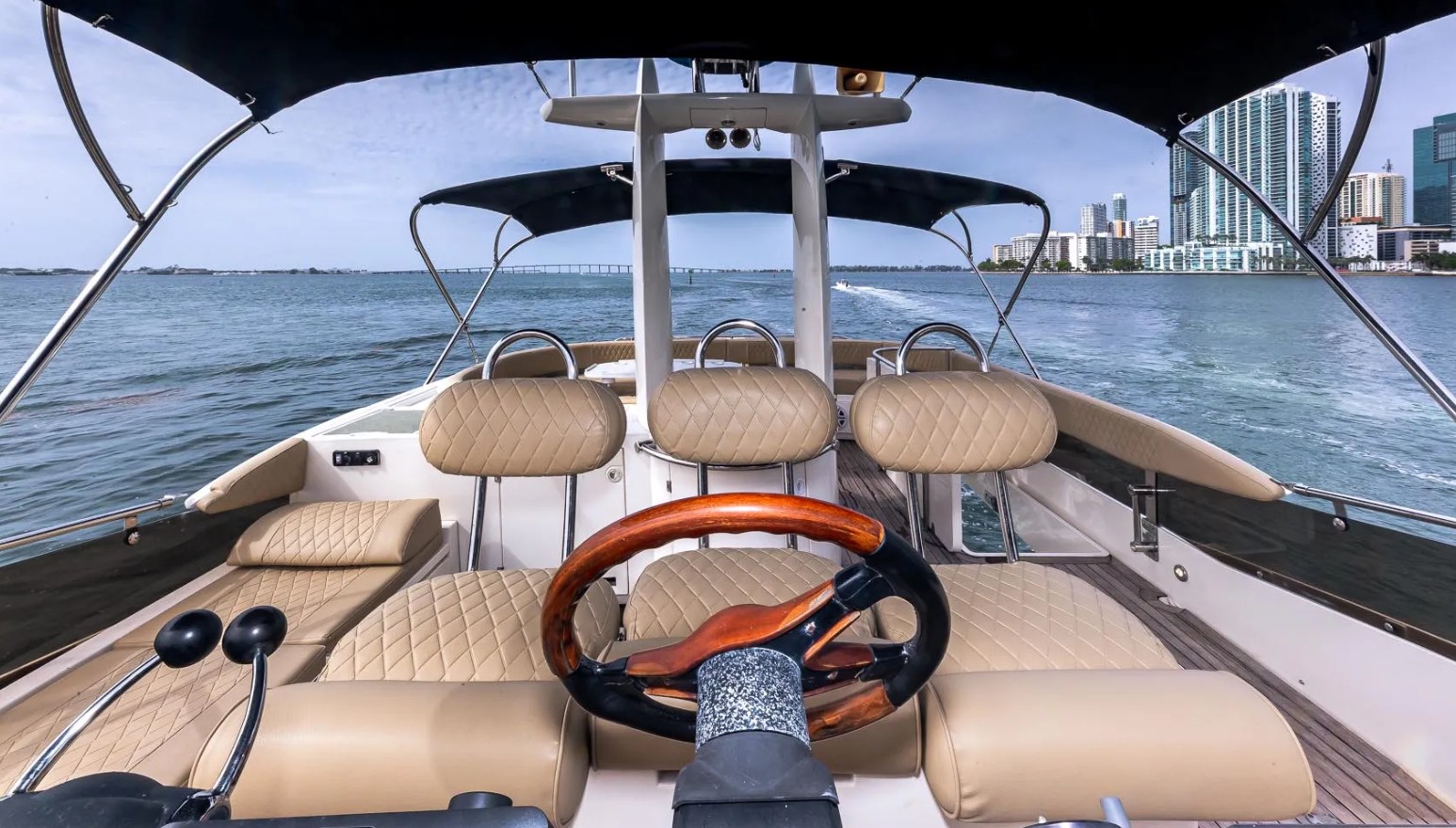
The Importance of Foam and Cushion Structure
The outer material gets most of the attention, but what sits underneath matters just as much. Foam quality directly affects comfort and longevity.
Professional seating uses:
- Closed-cell foam that does not trap water
- High-density foam for proper support
- Layered foam structures for long-term comfort
Poor foam can collapse quickly or retain moisture, leading to odors and discomfort. Quality foam ensures that seats feel supportive even after long days on the water.
How Climate Influences Material Choice
Climate plays a major role when selecting boat seat material. Boats in hot, sunny regions require materials with strong UV resistance. Humid environments demand mold-resistant fabrics and foams.
In coastal areas, salt exposure is constant. Materials must handle corrosion and moisture without breaking down. Choosing materials suited to local conditions extends the life of seating and reduces upkeep.
Maintenance and Care Considerations
Even the best materials need basic care. Simple habits can significantly extend the lifespan of boat seating.
Helpful maintenance tips include:
- Rinsing seats after saltwater exposure
- Cleaning with mild soap and water
- Avoiding harsh chemicals or abrasive tools
- Allowing seats to dry fully after use
Good maintenance keeps the boat seat material looking fresh and performing as expected.
Matching Style with Function
Boat seating should look good and feel right. Modern materials allow owners to balance aesthetics with performance.
Design considerations often include:
- Color choices that reduce heat absorption
- Textures that improve grip and comfort
- Seam placement for durability and appearance
- Coordinating seating with the boat interior
The right combination creates seating that enhances both comfort and visual appeal.
When to Upgrade Boat Seat Material
Signs that it may be time to upgrade include cracking surfaces, fading colors, sagging cushions, or persistent odors. Ignoring these issues can lead to further damage and reduced comfort.
Upgrading boat seat material refreshes the entire onboard experience. It improves comfort, increases safety, and makes time on the water more enjoyable.
Conclusion
Choosing the right boat seat material is an important decision for any boat owner. The right materials provide comfort, durability, and long-term value. By understanding material options, foam quality, climate factors, and maintenance needs, owners can make informed choices that improve every trip. Well-designed seating transforms a boat from a simple vessel into a comfortable and inviting space on the water.